What Enterprise Linux Should Actually Be | CIQ Webinar
Table of Contents
What Enterprise Linux Support Actually Means (And Why It Matters) #
Rocky Linux is everywhere, and for good reason. But community is not always enough, and this webinar is where Brady Dibble and I got into exactly what changes when you need a vendor behind your Linux stack.
Brady is CIQ’s director of product management and honestly one of the clearest thinkers I have talked to on the topic of enterprise Linux. We started at the 40,000 foot view: enterprises are not planning infrastructure in years, they are planning in decades. And that long-term stability calculus gets complicated fast when AI is forcing you to chase the latest kernel features and GPU support at the same time.
A big chunk of our conversation was about the difference between RLC Plus and RLC Pro, and when each one makes sense. RLC Plus is free, vendor-validated, and great for homelabs, startups, and anyone who needs more than community but is not running regulated production workloads. RLC Pro is where you get LTS, FIPS 140-3 compliant modules, indemnification, and actual support when things go sideways. Brady also made a point that stuck with me: you do not have to choose upfront. You can start on RLC Plus and move a node to Pro with basically a single command.
We also got into what indemnification actually means in practice, how FIPS compliance differs from FIPS certification, and why CIQ intentionally separated itself from the Rocky Linux project governance. That last one surprises a lot of people, and it came up at SCaLE just before we recorded this.
If you are running Linux in production or evaluating your options, this one is worth the watch. Subscribe to The IT Guy Show on YouTube and follow along at itguyeric.com for more.
You might also like
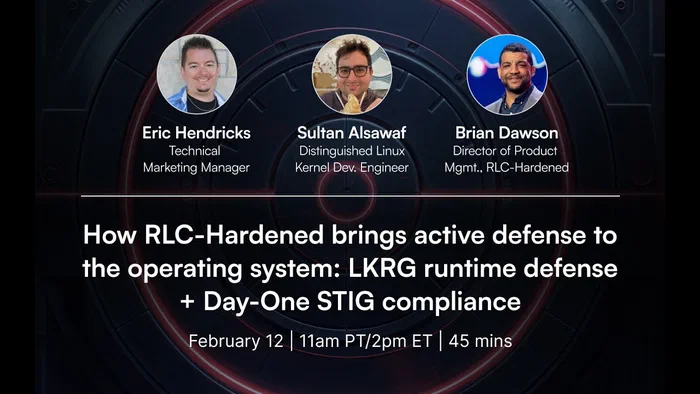
Proactive Linux Security: How RLC Hardened Goes Beyond Patching
Reactive security is table stakes at this point, and it is not keeping up. I sat down with Nathan Blackham, Brady Dibble, and Sultan Alof from CIQ to …
Why RLC Pro? Enterprise Linux Built on Rocky
I wrote this piece for CIQ making the case for RLC Pro, what it is, who it serves, and why the foundation it is built on matters before you get to any …
Deploy RLC Pro on Microsoft Azure Marketplace
I wrote this deployment guide for CIQ covering how to get RLC Pro running on Microsoft Azure, from the Marketplace listing to a production-ready …